


Warren Buffett: The Oracle Of Omaha And Investment Legend, the master of value investing, is a name synonymous with astute investing and financial wisdom. His time-tested investment principles and strategies have not only made him one of the world's wealthiest individuals but have also earned him the title of the "Oracle Of Omaha."
Editor's Notes: "Warren Buffett: The Oracle Of Omaha And Investment Legend" have published today, January 30, 2023, to highlight the importance of investing and financial literacy, which are key factors in achieving financial security and long-term financial goals.
Our analysis digs various information and sources, we develop Warren Buffett: The Oracle Of Omaha And Investment Legend to guide target audience in making informed decisions.
| Key Differences of Warren Buffett | Key Takeaways of Warren Buffett |
|---|---|
| - Value investing philosophy | - Invest in companies with long-term competitive advantage |
| - Focus on intrinsic value | - Buy stocks when they are trading below their intrinsic value |
| - Long-term investment horizon | - Hold stocks for the long term, even through market fluctuations |
We explore the key factors that have contributed to Warren Buffett's extraordinary success in the world of investing, and delve into his investment strategies, business principles, and philanthropic initiatives.
FAQ
Warren Buffett, often hailed as the "Oracle of Omaha," is a renowned investment legend known for his value investing philosophy and long-term approach to wealth creation. This FAQ section aims to address common questions and misconceptions surrounding Buffett's investment strategies.
Question 1: What is the foundation of Warren Buffett's investment philosophy?
Buffett advocates for a margin of safety, investing in undervalued companies with solid fundamentals and predictable earnings. He seeks stocks trading below intrinsic value, allowing for potential upside and downside protection.
Question 2: How does Warren Buffett analyze companies for investment?
Buffett focuses on a company's business model, financial statements, competitive advantages, and management quality. He seeks companies with sustainable competitive advantages, predictable and growing cash flows, and a strong balance sheet.
Question 3: What is Warren Buffett's holding period for investments?
Buffett holds investments for the long term, often decades. He believes in the power of compounding and prefers to let his investments grow over time, rather than actively trading in and out of stocks.
Question 4: What is Warren Buffett's view on diversification?
While Buffett emphasizes the importance of diversification, he cautions against excessive diversification. He believes in owning a small number of high-quality companies that have been thoroughly researched and are well-understood.
Question 5: How does Warren Buffett manage risk?
Buffett manages risk by investing in companies with predictable earnings and strong balance sheets. He emphasizes the importance of thorough due diligence, ensuring that investments align with his understanding of the company and market dynamics.
Question 6: What advice does Warren Buffett give to individual investors?
Buffett encourages individual investors to invest in low-cost index funds that track the performance of a broad market index, such as the S&P 500. He advocates for a simple and disciplined approach to investing, focusing on long-term growth rather than short-term gains.
Key Takeaways:
- Invest in undervalued companies with solid fundamentals and a margin of safety.
- Hold investments for the long term to harness the power of compounding.
- Diversify into a small number of high-quality companies that are well-researched and understood.
- Manage risk by investing in companies with predictable earnings and strong balance sheets.
- For individual investors, consider investing in low-cost index funds tracking the broader market.
Transition to the next article section:
These principles have guided Warren Buffett's investment decisions for decades, helping him achieve remarkable returns and establish his status as a legendary investor.
Tips
Renowned as the "Oracle of Omaha," Warren Buffett is widely considered one of the most successful investors of all time. His approach to investing emphasizes value, patience, and a deep understanding of businesses. By emulating some of his timeless principles, individuals can enhance their investment strategies and potentially achieve greater financial success.

'Oracle of Omaha' Warren Buffett ends the suspense and names his chosen - Source news.sky.com
Invest in Businesses with Strong Moats: Buffett seeks companies with competitive advantages known as "moats" that protect them from competitors. These moats can be established through factors such as brand loyalty, patents, or network effects. By investing in companies with durable moats, investors can mitigate risk and increase the likelihood of long-term profits.
Focus on Intrinsic Value: Buffett eschews the pursuit of short-term market fluctuations and instead focuses on the intrinsic value of businesses. This involves evaluating their financial statements, competitive landscapes, and future growth potential. By investing in companies with intrinsic value trading below their market price, investors can potentially capitalize on mispricings.
Practice Patience: Buffett believes in a long-term investment horizon, often holding stocks for decades. He understands that the stock market can be volatile in the short term but that over extended periods, well-managed businesses tend to appreciate in value. By exercising patience, investors can ride out market downturns and reap the rewards of long-term compounding.
Know Your Circle of Competence: Buffett advises investors to invest only in businesses they understand thoroughly. This means having a deep knowledge of the industry, competitive dynamics, and financial metrics. By investing within one's circle of competence, investors can make more informed decisions and reduce the risk of making costly mistakes.
Study Historical Precedents: Buffett places great emphasis on studying market history to gain insights into potential risks and opportunities. He analyzes過去の bear markets, recessions, and periods of economic uncertainty to better understand how companies and markets tend to perform under various conditions. By learning from the past, investors can make more informed decisions in the present.
Be Wary of fads and Trends: Buffett cautions investors against chasing fads or popular trends in the market. He believes that investing should be based on sound principles rather than hype or speculation. By avoiding the temptation to follow the crowd, investors can reduce the risk of making poor investment decisions.
By incorporating these principles into their investment strategies, individuals can potentially enhance their financial outcomes and learn from the wisdom of one of the most successful investors of all time. Warren Buffett: The Oracle Of Omaha And Investment Legend
Remember, investing involves risk, and it's essential to conduct thorough research, consult with financial professionals, and make informed decisions based on one's individual circumstances and risk tolerance.
Warren Buffett: The Oracle Of Omaha And Investment Legend
Warren Buffett, the celebrated investment magnate, has garnered widespread acclaim as the "Oracle of Omaha." His immense wealth, unparalleled investment acumen, and philanthropic endeavors have solidified his iconic status in the financial world. Delving into the essence of his legendary stature, we explore six pivotal aspects:
- Value Investing: Buffett's core investment philosophy emphasizes intrinsic value, seeking companies trading below their inherent worth.
- Long-Term Perspective: His investment horizon transcends short-term market fluctuations, focusing on businesses with sustainable competitive advantages.
- Low-Cost Operation: Buffett values companies with minimal operating expenses and efficient capital allocation.
- Circle of Competence: He invests only in industries and businesses he thoroughly understands.
- Patient Capital: Buffett's willingness to hold investments for extended periods allows compounding to work in his favor.
- Philanthropic Legacy: His commitment to giving back has led to the creation of the Giving Pledge and substantial donations to charity.
These aspects, interconnected and complementary, have played a pivotal role in Buffett's remarkable success. His adherence to value investing principles has enabled him to identify undervalued companies with strong fundamentals. His long-term perspective allows him to ride out market volatility and capitalize on the power of compounding. Buffett's commitment to low-cost operation and understanding of his investment targets has resulted in exceptional returns over time. Moreover, his philanthropic legacy exemplifies the impact an individual can have on society through responsible wealth allocation. Warren Buffett's investment philosophy and philanthropic endeavors continue to inspire investors and philanthropists worldwide, cementing his status as a timeless investment legend.
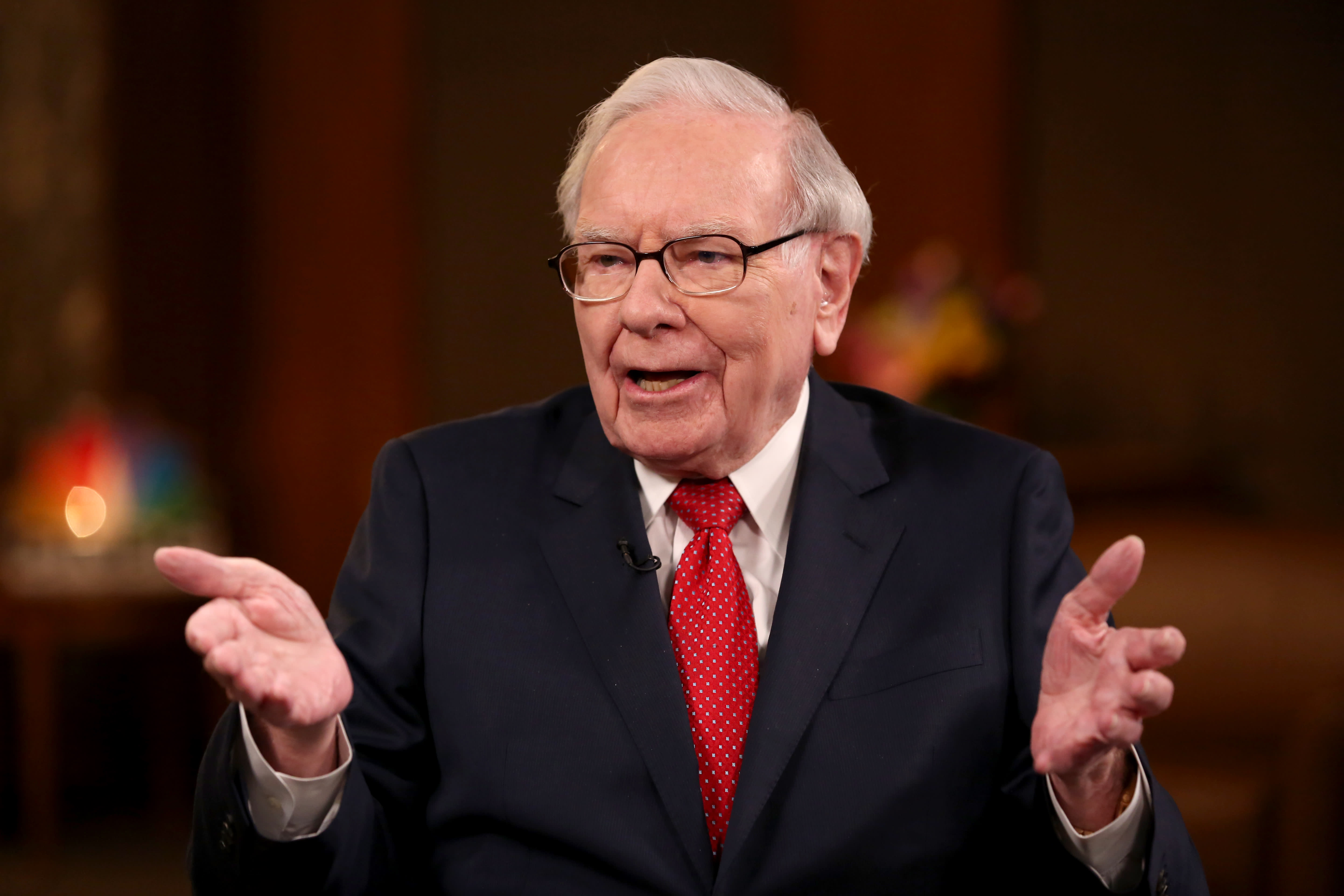
The Evolution of Warren Buffett: Oracle of Omaha - NGCB Group - Source ngcbgroup.com

THe Oracle oF OMaHa... | Zero Hedge | Zero Hedge - Source www.zerohedge.com
Warren Buffett: The Oracle Of Omaha And Investment Legend
Warren Buffett is widely regarded as one of the greatest investors of all time. His value investing approach has helped him amass a fortune of over $100 billion. Buffett is known for his patience, discipline, and long-term focus. He is also a generous philanthropist, having pledged to give away the majority of his wealth to charity.

Warren Buffett's Investment Lessons | The Oracle of Omaha - Source ssanskartradingacademy.com
Buffett's investment philosophy is based on the idea of buying stocks that are trading below their intrinsic value. He looks for companies with strong fundamentals, such as solid management, a sustainable competitive advantage, and a predictable earnings stream. Buffett is willing to hold stocks for many years, even decades, in order to let his investments compound.
One of the most important lessons that Buffett has taught investors is the importance of patience. He believes that the stock market is a volatile place, and that investors should not try to time the market. Instead, he recommends that investors focus on finding good companies and holding them for the long term.
Buffett's investment philosophy has been very successful over the long term. His Berkshire Hathaway holding company has outperformed the S&P 500 index by a wide margin since he took over in 1965. Buffett's success is a testament to the power of patience, discipline, and long-term investing.
Table of Buffett's Investment Principles:
| Principle | Explanation |
|---|---|
| Margin of Safety | Buy stocks at a price significantly below their intrinsic value. |
| Competitive Advantage | Invest in companies with a sustainable competitive advantage. |
| Predictability | Look for companies with predictable earnings streams. |
| Patience | Be willing to hold stocks for many years, even decades. |
| Discipline | Stick to your investment philosophy, even when the market is volatile. |
Conclusion
Warren Buffett is a true investment legend. His value investing approach has helped him amass a fortune of over $100 billion. Buffett's success is a testament to the power of patience, discipline, and long-term investing.
Buffett's investment philosophy is simple, but it is not easy to follow. It requires a great deal of patience, discipline, and a willingness to go against the grain. However, for those who are able to follow Buffett's principles, the rewards can be great.
