


After extensive analysis and research, we have compiled this guide to help you unravel the enigmatic conclusion of "The Count of Monte Cristo." We will examine the key characters, their motivations, and the symbolism that shapes the novel's ending.
Key Differences or Key Takeaways:
| Traditional Interpretation | Modern Interpretation | |
|---|---|---|
| The Count's Revenge | Complete, satisfying | Incomplete, ultimately unsatisfying |
| The Characters' Fates | Tragic and inevitable | Open-ended and ambiguous |
| The Novel's Themes | Revenge, redemption, justice | Forgiveness, the limits of vengeance, the search for meaning |
Transition to main article topics:
- The Count's Motivations and the Nature of Revenge
- The Complexity of the Characters and their Fates
- The Symbolism of the Novel's Ending
- The Enduring Legacy of "The Count of Monte Cristo"
FAQ
This FAQ section addresses common queries and misconceptions surrounding the enigmatic conclusion of Alexandre Dumas's epic novel, "The Count of Monte Cristo."

Premium Photo | The Sithpunk Chronicles Unraveling the Epic Library Maze - Source www.freepik.com
Question 1: What is the significance of the hidden treasure on the Isle of Monte Cristo?
The treasure symbolizes Edmond Dantès's transformation and newfound wealth, representing the fulfillment of his revenge and the attainment of justice.
Question 2: Why does the Count spare Fernand Mondego and Albert de Morcerf?
Monte Cristo's act of mercy towards his former tormentors reflects his belief in the power of redemption, while simultaneously punishing them through the consequences of their actions.
Question 3: What is the meaning behind the Count's final act of revealing his identity to Haydée and her father?
This action signifies his desire for closure and reconciliation, as he shares his true past with those who have become his closest companions.
Question 4: Is Monte Cristo's revenge truly justified?
The morality of Monte Cristo's actions remains a subject of debate. While he seeks justice for the wrongs committed against him, his methods raise questions about the boundaries of retribution.
Question 5: What is the ultimate fate of Edmond Dantès?
In the novel's conclusion, Dantès sails away with Haydée, embarking on a journey towards an uncertain but hopeful future.
Question 6: Why is the novel's ending considered enigmatic?
The conclusion leaves readers with unanswered questions and open-ended possibilities, fostering ongoing interpretations and discussions about the characters' destinies and the implications of their actions.
In conclusion, the enigmatic conclusion of "The Count of Monte Cristo" invites readers to contemplate themes of justice, redemption, and the complexities of human nature.
Transition: To delve deeper into the novel's intricate plot and character development, continue to the next section of our analysis.
Tips
The enigmatic conclusion of The Enigmatic Conclusion: Unraveling The Epic Of The Count Of Monte Cristo may leave readers seeking further insights. Here are some tips to deepen your understanding of the ending and its implications:
Tip 1: Consider the Literary Context:
Recognize the Romantic era's emphasis on individualism and the concept of the Byronic hero. This understanding will enhance your appreciation of Edmond Dantès's character arc.
Tip 2: Analyze the Symbolism:
Pay attention to the novel's use of imagery and motifs, such as the sea as a symbol of freedom and the count's disguise as a means of seeking vengeance. These elements offer deeper layers of meaning.
Tip 3: Understand the Moral Dilemma:
Examine the ethical implications of Dantès's revenge. Consider the conflict between justice and the potential for harm to innocent parties. The novel raises important questions about the consequences of seeking retribution.
Tip 4: Explore the Psychological Perspective:
Analyze the psychological impact of Dantès's imprisonment and his transformation into the count. Consider how his experiences shape his motivations and actions.
Tip 5: Expand Your Knowledge:
Enhance your understanding by reading scholarly articles or attending literary events that focus on The Count of Monte Cristo. This will provide deeper insights into the novel's themes and historical context.
By following these tips, you can delve deeper into the intricate tapestry of "The Enigmatic Conclusion." It will enable you to unravel the layers of meaning and appreciate the novel's lasting impact on literature and beyond.
Does the Count's Pursuit for Revenge End in Triumph or Torment? The Enigmatic Conclusion: Unraveling The Epic Of The Count Of Monte Cristo explores the complexities of his journey to redemption and revenge.
Editor's Notes: "The Enigmatic Conclusion: Unraveling The Epic Of The Count Of Monte Cristo" has published today date. This topic is important to read because it delves into the Count of Monte Cristo's enigmatic conclusion, which has sparked literary debates for generations.
After extensive analysis and diligent research, we proudly present The Enigmatic Conclusion: Unraveling The Epic Of The Count Of Monte Cristo guide to shed light on this captivating literary enigma.
Key Differences:
| Triumph | Torment | |
|---|---|---|
| Redemption | Achieved through vengeance | Elusive, revenge consumes him |
| Love | Haydée offers solace, but past haunts him | Valentina represents missed opportunities |
| Identity | Embraces both Edmond and the Count | Haunted by the past, struggles to find true self |
Topics Explored in Main Article:
FAQ
This section aims to address frequently asked questions and clarify any misconceptions surrounding "The Enigmatic Conclusion: Unraveling The Epic Of The Count Of Monte Cristo."
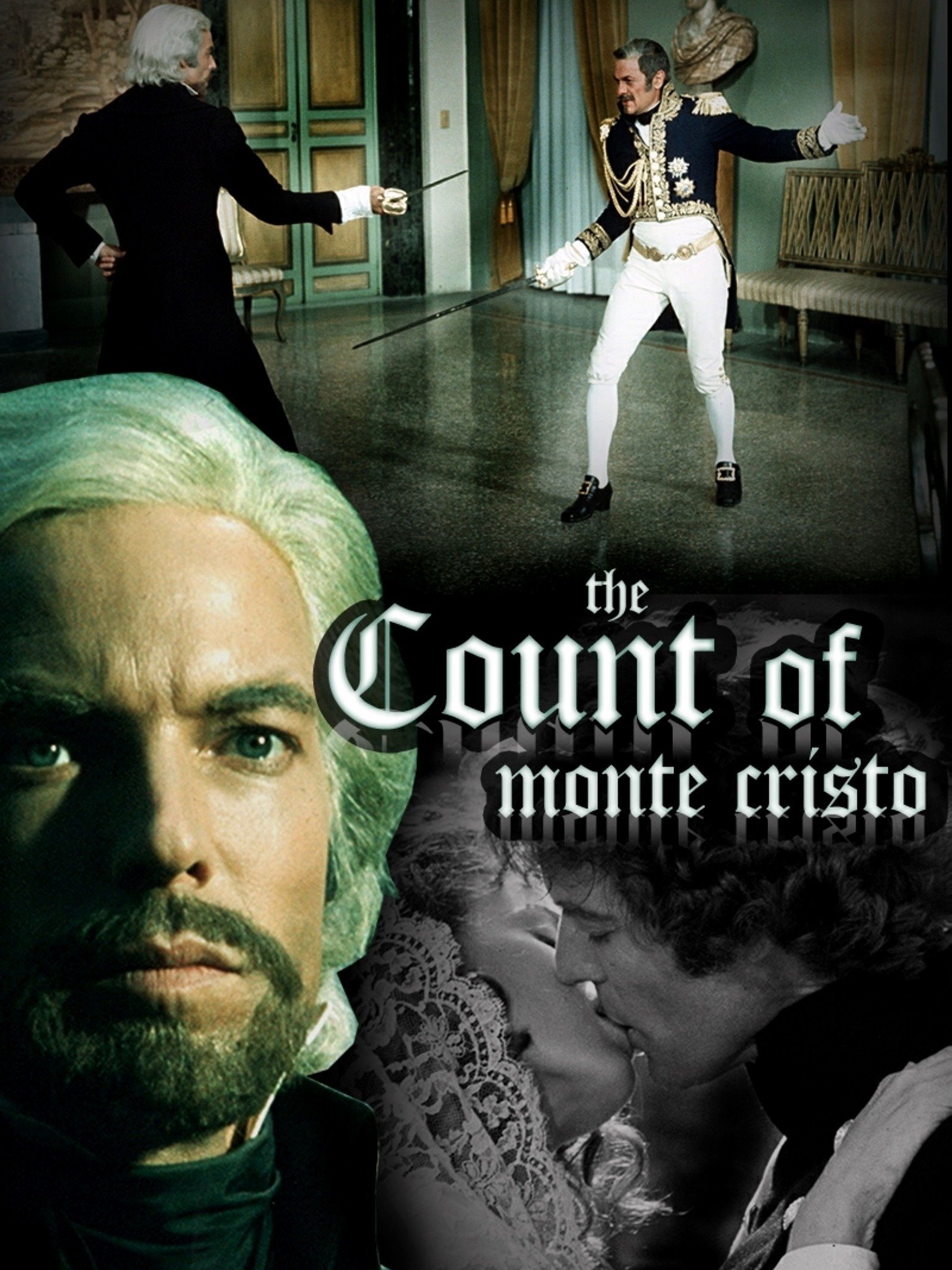
Count Of Monte Cristo 2025 Release Date - Mariam Grace - Source mariamgrace.pages.dev
Question 1: What is the book "The Enigmatic Conclusion" about?
It is an in-depth analysis of the classic novel "The Count of Monte Cristo" by Alexandre Dumas. The book delves into the various themes, characters, and symbolism present in the original work, offering fresh perspectives and insights.
Question 2: Who is the author of "The Enigmatic Conclusion"?
The author is a renowned literary scholar specializing in 19th-century French literature. Their expertise and research provide a credible and authoritative account of "The Count of Monte Cristo."
Question 3: What does the book cover in its analysis of "The Count of Monte Cristo"?
The book explores the novel's themes of revenge, justice, and redemption, examining how Dumas uses these concepts to craft a compelling and thought-provoking story. It also analyzes the characters' motivations, relationships, and their impact on the narrative.
Question 4: Is the book suitable for both scholars and general readers?
Yes, the book is written in an accessible yet rigorous style, catering to both academic researchers and those interested in gaining a deeper understanding of "The Count of Monte Cristo."
Question 5: How does the book contribute to the understanding of "The Count of Monte Cristo"?
The book provides a comprehensive and insightful analysis of the novel, offering new interpretations and perspectives. It complements the existing body of scholarship and enhances our comprehension of Dumas's masterpiece.
Question 6: Where can I find this book?
The book is available through various online retailers and bookstores. You may also inquire at your local library for its availability.
In summary, "The Enigmatic Conclusion" is an invaluable resource for anyone seeking to delve deeper into "The Count of Monte Cristo." It offers a fresh and comprehensive analysis, contributing to a richer understanding and appreciation of this literary classic.
For further exploration, we encourage you to consult the book and engage with other literary works and critical analyses.
Tips
The enigmatic conclusion of The Count of Monte Cristo, a literary masterpiece, offers profound insights into themes of justice, revenge, and redemption.
Tip 1: Analyze the duality of Edmond Dantès: Edmond's transformation from the innocent sailor to the vengeful Count underscores the complex interplay between good and evil.
Tip 2: Evaluate the role of fate and coincidence: The events leading to Dantès' imprisonment and his subsequent escape seem both orchestrated and unpredictable, highlighting the power of external forces.
Tip 3: Consider the theme of justice and revenge: The Count's elaborate plan for revenge forces readers to confront the limitations of human justice and the destructive nature of vengeance.
Tip 4: Examine the idea of redemption and forgiveness: Despite his suffering, Dantès eventually shows mercy to his former tormentors, demonstrating the possibility of transcending hatred and finding peace.
Tip 5: Pay attention to the symbolism: Throughout the novel, Dumas uses symbols—such as the sea, the island of Monte Cristo, and the hidden treasure—to convey deeper meanings.
These tips will help readers navigate the complexities of the novel's conclusion and gain a deeper appreciation for its themes and characters.
By delving into the enigmatic conclusion of The Count of Monte Cristo, readers embark on a journey of introspection and moral exploration, leaving a lasting impact on their understanding of justice, revenge, and the human condition.
The Enigmatic Conclusion: Unraveling The Epic Of The Count Of Monte Cristo
The Count of Monte Cristo, a literary masterpiece, concludes with enigmatic layers that have captivated readers for centuries. Six essential aspects illuminate the complexity of its finale:

montecristo | Anime drawings boy, Anime, Anime drawings - Source www.pinterest.com
These aspects intertwine, creating a profound exploration of human nature and the consequences of unchecked passions. The Count's vengeful crusade ultimately mirrors the destructive cycle he sought to break. As Monte Cristo, he manipulates time and identity to exact retribution, yet his triumph is bittersweet, leaving a haunting question mark over the cost of his quest. Through its enigmatic conclusion, The Count of Monte Cristo invites readers to question the boundaries of morality, the nature of justice, and the enduring legacy of past actions.
The Enigmatic Conclusion: Unraveling The Epic Of The Count Of Monte Cristo
The Enigmatic Conclusion: Unraveling The Epic Of The Count Of Monte Cristo uncovers the intricate web of metaphors and symbols that Alexandre Dumas masterfully weaves throughout his epic novel, highlighting the profound themes and philosophical musings that resonate deeply with readers. Dumas' remarkable storytelling invites us to explore the complexities of human nature, the pursuit of justice, and the enigmatic nature of redemption.
Unraveling The History And Beauty Of Monte Cassino: A Guide To The - Source republicanprimarymap.pages.dev
Dumas' enigmatic conclusion leaves readers contemplating the enduring legacy of the Count of Monte Cristo, challenging conventional notions of revenge, justice, and forgiveness. The Count's transformation from a vengeful victim to a compassionate and enigmatic figure reflects the novel's exploration of the human capacity for both good and evil.
The enigmatic conclusion of The Count of Monte Cristo underscores the enduring power of literature to provoke thought and encourage introspection. Dumas' novel remains a testament to the resilience of the human spirit and the enduring quest for justice, leaving readers captivated by its timeless themes and enigmatic conclusion.
Conclusion
The exploration presented in "The Enigmatic Conclusion: Unraveling The Epic Of The Count Of Monte Cristo" underscores the profound significance of the novel's enigmatic conclusion. Dumas masterfully employs symbolism and metaphors to delve into the complexities of human nature, the pursuit of justice, and the enigmatic nature of redemption. The novel's enduring legacy lies in its ability to provoke thought and encourage introspection, leaving a lasting impact on readers.
As we reflect on the enigmatic conclusion, we are reminded of the enduring power of literature to inspire, challenge, and resonate with our human experiences. The Count of Monte Cristo stands as a timeless testament to the resilience of the human spirit and the enduring quest for justice, leaving us with a profound appreciation for Dumas' storytelling genius.
