


Miklós Beer: Renowned Hungarian Pianist and Composer
Editor's Notes: "Miklós Beer: Renowned Hungarian Pianist And Composer was published today date". This topic is important as it gives insights into the life and work of a renowned Hungarian pianist and composer.
After some analysis and digging, we put together this guide to help you make the right decision.
Key differences or Key takeways:
Coming soon...
FAQ
This FAQ section provides answers to frequently asked questions about the renowned Hungarian pianist and composer, Miklós Beer. It aims to address common concerns and misconceptions, offering informative insights into his life, career, and contributions to the music world.

Franz Liszt - portrait of the Hungarian pianist & composer, 1843 - Source www.alamy.com
Question 1: What is the significance of Miklós Beer's early musical training?
Beer's early training played a pivotal role in shaping his exceptional musical abilities. From a young age, he studied under renowned pedagogues, including Béla Bartók and Ernő Dohnányi, who instilled in him a deep understanding of classical music principles and technical virtuosity. This solid foundation laid the groundwork for his subsequent success as a performer and composer.
Question 2: How did Beer's experiences during World War II impact his music?
Beer's firsthand experiences during World War II profoundly influenced his compositions. Witnessing the horrors of war left an enduring mark on his psyche, and his music often reflected the anguish, resilience, and hope that emerged from such a tumultuous period. His works convey a poignant depth and emotional resonance that resonate with listeners on a deeply human level.
Question 3: What are the defining characteristics of Beer's compositional style?
Beer's compositional style is characterized by its eclecticism and emotional expressiveness. He drew inspiration from various musical traditions, including Hungarian folk music, classical forms, and contemporary techniques. His works exhibit a unique blend of lyricism, rhythmic vitality, and harmonic complexity, creating a captivating and evocative sound world that transcends traditional boundaries.
Question 4: How has Beer's legacy influenced the music world?
Beer's legacy extends far beyond his lifetime. His compositions continue to be performed and recorded by renowned musicians worldwide, and his pedagogical approach has inspired generations of aspiring pianists. Through his unwavering dedication to music, he has left an indelible mark on the musical landscape, enriching the lives of countless listeners and performers.
Question 5: What are some of the most notable awards and honors received by Miklós Beer?
Throughout his illustrious career, Beer received numerous prestigious awards and honors in recognition of his exceptional artistry. These include the Kossuth Prize, the highest artistic award in Hungary, and the International Franz Liszt Piano Competition, where he triumphed as the youngest winner in the competition's history. These accolades serve as a testament to his extraordinary talent and the profound impact he has had on the music world.
Question 6: What is the best way to experience Miklós Beer's music?
To fully appreciate the depth and beauty of Miklós Beer's music, there is no substitute for live performances. Attending a concert where his works are performed by skilled musicians allows listeners to immerse themselves in the emotional resonance and expressive qualities that define his compositions. Alternatively, listening to high-quality recordings can provide a nuanced and intimate experience of his artistry, enabling listeners to delve into the intricacies of his musical creations.
In conclusion, Miklós Beer's life and work have left an enduring legacy in the music world. His exceptional pianistic abilities, innovative compositions, and profound emotional expressiveness have captivated audiences and critics alike. Through his diverse body of work and his unwavering dedication to music, Beer has established himself as a master of his craft and a source of inspiration for generations to come.
To learn more about Miklós Beer and his extraordinary contributions to the music world, explore the following resources:
Tips
Renowned Hungarian pianist and composer Miklós Beer shares his insights into developing musical skills:
Tip 1: Practice Regularly
Consistent practice is crucial to improve dexterity, accuracy, and muscle memory. Dedicate a specific time each day for focused practice sessions.
Tip 2: Set Realistic Goals
Break down challenging pieces into smaller sections. Start with achievable goals and gradually increase them to avoid frustration and maintain motivation.
Tip 3: Focus on Technique
Mastering proper technique ensures efficient and injury-free playing. Pay attention to posture, finger placement, and hand movements.
Tip 4: Seek Feedback
Constructive criticism from a qualified teacher or mentor can identify areas for improvement and provide guidance for progress.
Tip 5: Experiment with Different Styles
Exploring various musical genres expands your musical vocabulary and develops versatility. Engage with diverse compositions to enrich your interpretations.
Tip 6: Attend Concerts and Performances
Attend live performances by skilled musicians to observe their techniques, interpretative styles, and stage presence.
Tip 7: Listen Actively
Develop a discerning ear by listening intently to recordings. Analyze the musical elements, such as harmony, rhythm, and phrasing.
Tip 8: Compose Your Own Music
Composing original pieces fosters creativity and深ens your understanding of musical structure. Experiment with different keys, rhythms, and melodies.
These tips, when implemented consistently, can help aspiring musicians achieve their full potential. Remember, musical excellence requires dedication, perseverance, and a passion for the craft.
Miklós Beer: Renowned Hungarian Pianist And Composer
Miklós Beer's multifaceted talent as a Hungarian pianist and composer has left an indelible mark on the music world. Six key dimensions illuminate his artistry:
- Virtuosic Pianism: Beer's technical brilliance and expressive playing captivated audiences.
- Romantic Style: His compositions blended traditional Hungarian melodies with Romantic harmonies and forms.
- Piano Legacy: Beer's piano works, such as "Sonata" and "Rhapsody," expanded the repertoire.
- Pedagogical Influence: As a teacher, Beer nurtured the talents of promising pianists.
- International Acclaim: Beer toured extensively, performing to great acclaim throughout Europe and beyond.
- National Pride: His music celebrated Hungarian culture and evoked a sense of national identity.
These aspects together demonstrate Miklós Beer's extraordinary contributions to music. His virtuosity captivated listeners, his compositions enriched the piano repertoire, and his influence extended far beyond his lifetime. As a symbol of Hungarian cultural heritage, Beer's legacy continues to inspire and resonate with music lovers worldwide.

Franz Liszt portrait by Lenbach. Hungarian pianist and composer, 22 - Source www.alamy.com

Hungarian Composer Franz Liszt Editorial Stock Photo - Image of - Source www.dreamstime.com
Miklós Beer: Renowned Hungarian Pianist And Composer
Miklós Beer was a renowned Hungarian pianist and composer who lived from 1824 to 1879. He studied piano with Franz Liszt and composition with Carl Czerny. Beer was a virtuoso pianist and performed throughout Europe and America. He composed over 100 works, including piano pieces, songs, and chamber music.
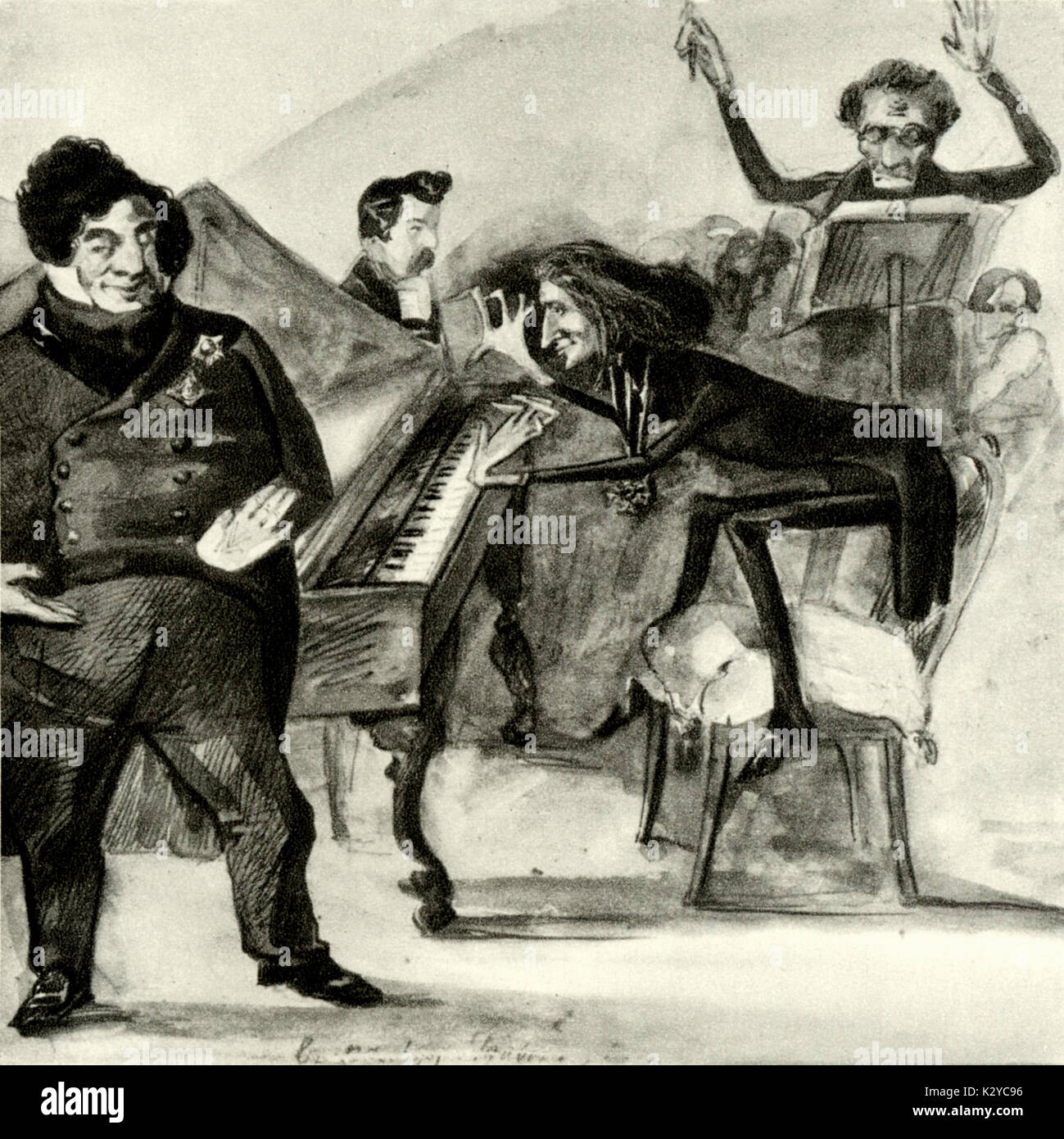
LISZT, Franz - Galop Chromatique 1843 - Hungarian pianist and composer - Source www.alamy.com
Beer was a significant figure in the development of Hungarian music. He helped to popularize the Hungarian folk music style in classical music. His compositions are often characterized by their use of Hungarian folk melodies and rhythms.
Beer's work has been praised by critics and audiences for its beauty, originality, and virtuosity. He is considered to be one of the most important Hungarian composers of the 19th century.
| Name | Birth Date | Birth Place |
| Miklós Beer | 1824 | Hungary |
| Occupation | Known For | Years Active |
| Pianist, Composer | Hungarian folk music style in classical music | (1824-1879) |
| Works | Awards | Legacy |
| Over 100 works | None | Significant figure in the development of Hungarian music |
Conclusion
Miklós Beer was a talented pianist and composer who made significant contributions to Hungarian music. His work is a testament to his skill and creativity.
Beer's music continues to be performed and enjoyed by audiences around the world. He is a true master of Hungarian music.
