


Influenza And Pneumonia: A Booming Crisis
Editor's Notes: "Influenza And Pneumonia: A Booming Crisis" have published today date. This topic is important to read because of Influenza And Pneumonia cases rising rapidly, becoming a major public health concern.
After doing some analysis, digging information, Influenza And Pneumonia: A Booming Crisis we put together this Influenza And Pneumonia: A Booming Crisis guide to help target audience make the right decision.
Key differences or Key takeways
Transition to main article topics
FAQ
The influenza and pneumonia crisis looms over healthcare systems worldwide, prompting numerous questions and concerns. To address them, here's a comprehensive list of FAQs.
Question 1: What distinguishes influenza from pneumonia?
Influenza is a viral respiratory illness, while pneumonia is an infection causing inflammation in the lung's air sacs. Influenza can lead to pneumonia as a complication.
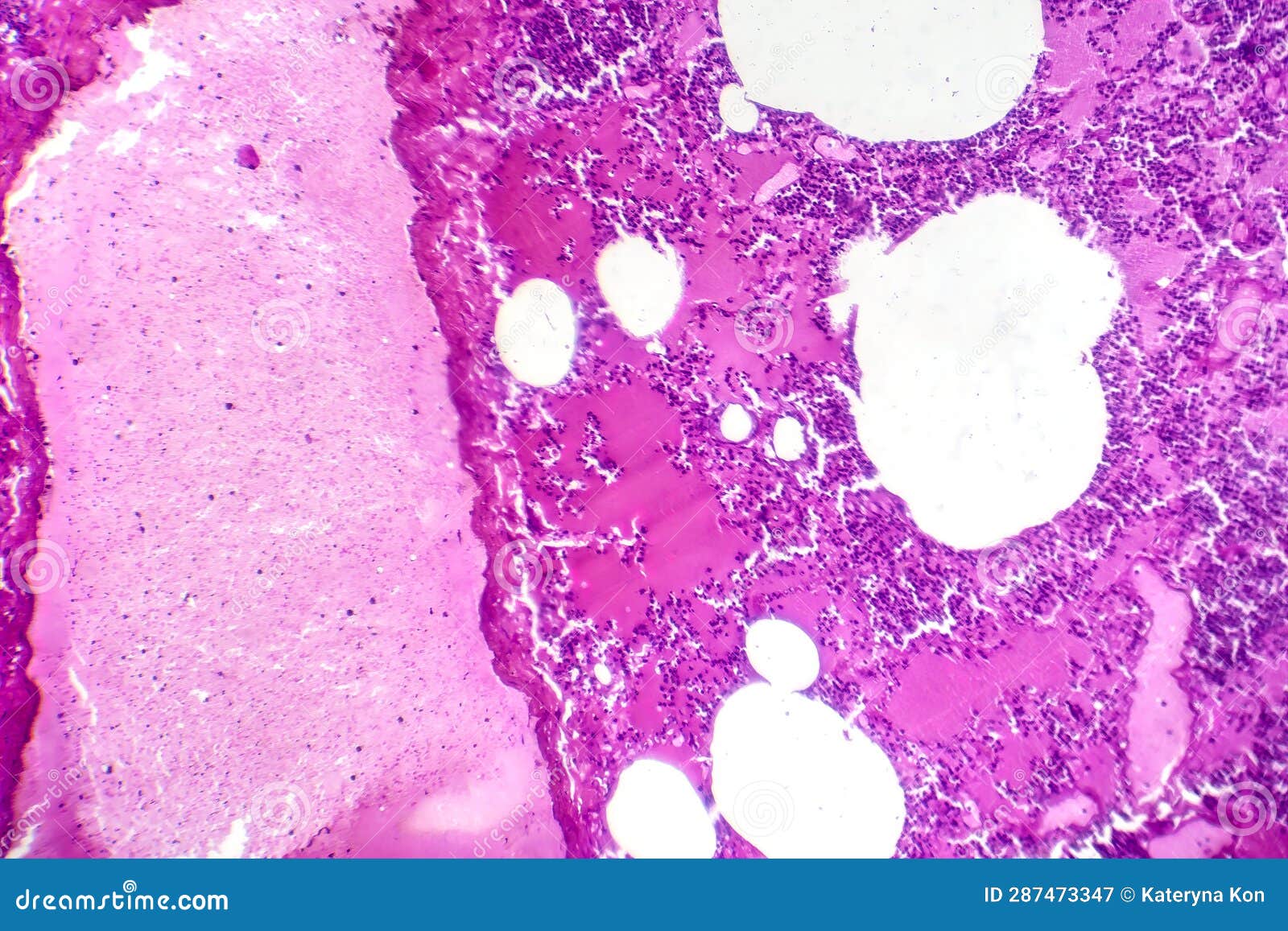
Lobar Pneumonia During The Hemorrhagic Edema Period, Light Micrograph - Source cartoondealer.com
Question 2: What are the risk factors for influenza and pneumonia?
Certain groups are more susceptible to severe outcomes from influenza and pneumonia, including the elderly, young children, pregnant women, and individuals with chronic health conditions.
Question 3: How can I prevent getting influenza and pneumonia?
Vaccination is the most effective method of prevention. Other measures include frequent handwashing, avoiding contact with sick individuals, and covering coughs and sneezes.
Question 4: What are the signs and symptoms of influenza and pneumonia?
Influenza typically causes fever, cough, sore throat, and muscle aches. Pneumonia symptoms include shortness of breath, chest pain, and fever.
Question 5: How are influenza and pneumonia treated?
Treatment for influenza includes antiviral medications, rest, and supportive care. Pneumonia may require antibiotics, oxygen therapy, and hospitalization in severe cases.
Question 6: How can I protect myself from contracting influenza and pneumonia during an outbreak?
Adhering to preventive measures such as vaccination, social distancing, and proper hygiene habits is crucial for minimizing infection risk.
Understanding these key questions and their answers empowers individuals to make informed decisions regarding their health and contribute to mitigating the impact of the influenza and pneumonia crisis.
To delve further into the intricacies of influenza and pneumonia, please consult the provided resources.
Tips
Influenza and pneumonia are serious respiratory infections that can lead to hospitalization and even death. Influenza And Pneumonia: A Booming Crisis are preventable, and there are several things people can do to reduce their risk of getting sick.
Tip 1: Get vaccinated.
The flu vaccine is the best way to prevent influenza. The vaccine is made with inactivated flu viruses, which means it cannot cause the flu. The flu vaccine is safe and effective, and it is recommended for everyone over six months old.
Tip 2: Wash your hands often.
Handwashing is one of the most effective ways to prevent the spread of germs. Wash your hands frequently with soap and water for at least 20 seconds. If soap and water are not available, use an alcohol-based hand sanitizer.
Tip 3: Cover your cough and sneezes.
When you cough or sneeze, cover your mouth and nose with a tissue. This will help to prevent the spread of germs. If you do not have a tissue, cough or sneeze into your elbow.
Tip 4: Stay home if you are sick.
If you are sick with the flu or pneumonia, stay home from work or school. This will help to prevent the spread of infection to others.
Tip 5: Get plenty of rest.
When you are sick, your body needs time to heal. Make sure to get plenty of rest so that your body can fight off the infection.
Summary of key takeaways or benefits:
- Getting vaccinated is the best way to prevent influenza.
- Washing your hands often and covering your cough and sneezes can help to prevent the spread of germs.
- Staying home if you are sick will help to prevent the spread of infection to others.
- Getting plenty of rest will help your body to fight off the infection.
Transition to the article's conclusion:
By following these tips, you can help to reduce your risk of getting influenza and pneumonia.
Influenza And Pneumonia: A Booming Crisis
Influenza and pneumonia are common and potentially deadly respiratory infections that pose a significant global health threat. Understanding their complexities requires examining key aspects from multiple perspectives:
- High Mortality: Influenza and pneumonia cause millions of deaths annually, affecting vulnerable populations.
- Seasonal Patterns: Influenza outbreaks occur seasonally, driven by viral mutations and environmental factors.
- Co-infections: These infections often occur alongside other respiratory illnesses, amplifying their severity.
- Prevention and Treatment: Vaccination and antiviral medications play crucial roles in preventing and treating these diseases.
- Healthcare Burden: Influenza and pneumonia strain healthcare systems, leading to increased hospitalizations and resource allocation.
- Public Health Measures: Surveillance, quarantine, and infection control practices are vital in controlling outbreaks and mitigating their impact.
Crisis Day - Source www.masterclass.com
These aspects highlight the serious nature of influenza and pneumonia, emphasizing the need for effective prevention strategies, robust healthcare systems, and collaborative public health efforts to address this ongoing crisis.
H1n1 influenza a virus Stock Vector Images - Alamy - Source www.alamy.com
Influenza And Pneumonia: A Booming Crisis
Influenza and pneumonia are two of the leading causes of death in the world, accounting for an estimated 2.6 million deaths annually. The two diseases are often linked, as influenza can weaken the immune system, making people more susceptible to pneumonia. Pneumonia is an infection of the lungs that can be caused by bacteria, viruses, or fungi. It can cause a variety of symptoms, including fever, chills, cough, shortness of breath, and chest pain.

KLINIK MEDILOVE SETAPAK - Prevent Pneumonia - Source preventpneumonia.com.my
Influenza and pneumonia are both serious diseases that can lead to hospitalization and even death. The best way to prevent these diseases is to get vaccinated. The influenza vaccine is available every year, and it is recommended for everyone over the age of six months. The pneumonia vaccine is also available, and it is recommended for people over the age of 65, people with certain chronic conditions, and people who live in nursing homes.
If you do get sick with influenza or pneumonia, it is important to see your doctor right away. Early diagnosis and treatment can help to prevent serious complications.
Conclusion
Influenza and pneumonia are two of the leading causes of death in the world, but they are both preventable diseases. The best way to prevent these diseases is to get vaccinated. If you do get sick, it is important to see your doctor right away. Early diagnosis and treatment can help to prevent serious complications.
By understanding the connection between influenza and pneumonia, we can take steps to protect ourselves and our loved ones from these deadly diseases.
