


Why is "Female Genital Mutilation: Understanding The Prevalence, Consequences, And Prevention" important? Female Genital Mutilation: Understanding The Prevalence, Consequences, And Prevention is a very important discussion to have, and one that is especially crucial to research and develop ways to prevent the practice completely.
We hope that this guide will help educate you about FGM and empower you to take action to end this harmful practice.
| Prevalence | Consequences | Prevention |
|---|---|---|
| FGM is practiced in 30 countries in Africa, the Middle East, and Asia. | FGM can cause a range of health problems, including pain, bleeding, infection, and infertility. | FGM can be prevented through education, community mobilization, and legal reform. |
Transition to main article topics
FAQ
This FAQ section provides concise answers to frequently asked questions regarding the prevalence, effects, and prevention of Female Genital Mutilation (FGM).
Question 1: What is the extent of FGM worldwide?
FGM affects an estimated 200 million girls and women in at least 30 countries. The practice is most prevalent in parts of Africa, the Middle East, and Asia.

Premium AI Image | International Day of Zero Tolerance to Female - Source www.freepik.com
Question 2: What are the primary reasons behind FGM?
Cultural beliefs, social norms, and traditional practices drive the continuation of FGM. It is often viewed as a rite of passage, a way to ensure female chastity, or a means of controlling women's sexuality.
Question 3: How does FGM affect the health and well-being of girls and women?
FGM has severe physical and psychological consequences, including pain, infection, complications during childbirth, sexual dysfunction, and mental health issues.
Question 4: What are the legal and international efforts to prevent FGM?
Many countries have enacted laws criminalizing FGM. International organizations, including the United Nations, have launched initiatives to raise awareness, promote education, and support efforts to end FGM.
Question 5: How can individuals and communities contribute to the eradication of FGM?
Education, awareness campaigns, and community dialogue are vital in challenging harmful practices and promoting girls' and women's rights. Supporting organizations working to end FGM can also contribute to progress.
Question 6: Does FGM serve any beneficial purpose?
No, FGM has no health benefits and is universally recognized as a violation of human rights. It is a harmful practice with significant and lifelong consequences for girls and women.
These FAQs provide a brief overview of FGM, its prevalence, consequences, and prevention efforts. Understanding these issues is crucial for raising awareness, challenging harmful practices, and promoting the well-being of girls and women worldwide.
You may find additional resources on FGM prevention and support in the following article section.
Tips for Addressing Female Genital Mutilation
Female genital mutilation (FGM) is a serious human rights violation that has harmful physical, psychological, and social consequences. Understanding its prevalence, causes, and prevention methods is crucial for its elimination. By addressing the issue and providing comprehensive care, we can protect women and girls from this harmful practice.
Tip 1: Increase Awareness and Education
Educating communities about the harmful effects of FGM is essential. Campaigns and workshops can raise awareness, dispel myths, and promote understanding.
Tip 2: Provide Comprehensive Care for Survivors
Survivors of FGM need physical, psychological, and social support. Access to medical treatment, counseling, and safe spaces can empower them to heal and rebuild their lives.
Tip 3: Support Community-Led Initiatives
Grassroots organizations play a vital role in addressing FGM. Empowering them with resources, training, and support can strengthen community efforts to prevent and eradicate the practice.
Tip 4: Advocate for Legislative Change
Laws and policies criminalizing FGM are essential for its prevention. Advocating for stronger legislation and enforcing existing laws sends a clear message that the practice is unacceptable.
Tip 5: Foster International Cooperation
FGM is a global issue. Collaboration among countries, organizations, and individuals is crucial for sharing knowledge, resources, and best practices.
By implementing these tips, we can contribute to the elimination of FGM and create a world where women and girls are free from this harmful practice. Learn more about Female Genital Mutilation: Understanding The Prevalence, Consequences, And Prevention to further your understanding and support.
Female Genital Mutilation: Understanding The Prevalence, Consequences, And Prevention
Female genital mutilation (FGM) is a harmful practice with far-reaching consequences. Understanding its prevalence, consequences, and prevention is crucial for promoting women's health and well-being globally.
- Prevalence: Widespread in certain regions, with millions of women affected.
- Consequences: Physical, psychological, and social harm, including pain, infection, and infertility.
- Prevention: Education, community engagement, and legal measures are vital.
- Types: Ranging from partial to complete removal of external genitalia.
- Reasons: Cultural, religious, and social factors contributing to its persistence.
- International Response: Condemned by international organizations and human rights laws.
FGM is a complex issue requiring a multifaceted approach. Education is key to changing attitudes and promoting awareness about its harmful effects. Community engagement can foster support for abandonment, while legal measures provide a deterrent and protection for women. Addressing the underlying reasons for FGM, such as gender inequality and poverty, is also essential for lasting change. Only through sustained efforts can we end this harmful practice and empower women to live healthy and fulfilling lives.
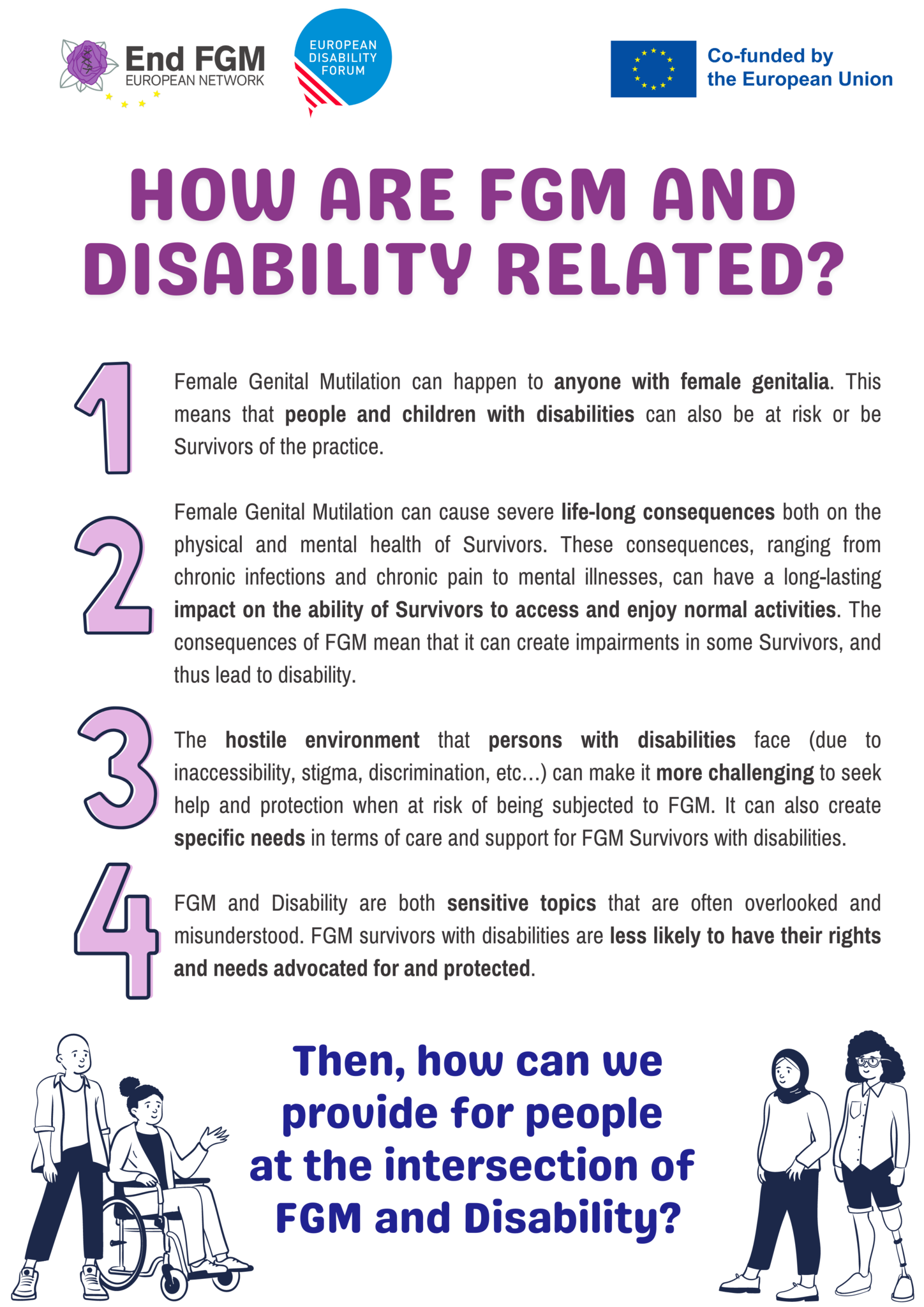
Infographic: Female Genital Mutilation and Disability - European - Source www.edf-feph.org

Female genital mutilation prevalence (%) (Source: World Bank) : r/MapPorn - Source www.reddit.com
Female Genital Mutilation: Understanding The Prevalence, Consequences, And Prevention
Female genital mutilation (FGM) is a prevalent and harmful practice affecting millions of girls worldwide. It involves the partial or complete removal of external female genitalia for cultural and social reasons. FGM has severe physical, psychological, and social consequences for victims, including pain, infection, infertility, and psychological trauma. Understanding the causes, consequences, and prevention of FGM is crucial to eliminate this practice and protect women's health, well-being, and rights.

Premium Photo | International Day of Zero Tolerance to Female Genital - Source www.freepik.com
The causes of FGM are complex and vary across different cultures. Often, it is driven by beliefs about preserving virginity, controlling female sexuality, and ensuring marriageability. Societal norms, religious beliefs, and tradition play a significant role in perpetuating FGM. However, education, access to healthcare, and legal protections have been shown to reduce its prevalence.
The consequences of FGM are severe and can impact victims throughout their lives. Physically, FGM can cause immediate pain, bleeding, and scarring. Long-term effects can include chronic pain, urinary tract infections, childbirth complications, and sexual dysfunction. Psychologically, FGM can lead to depression, anxiety, and low self-esteem. It can also result in social isolation, as victims may be stigmatized or shunned by their communities.
Preventing FGM requires a multi-faceted approach involving education, legal measures, and community engagement. Educational campaigns can raise awareness about the harms of FGM and challenge traditional beliefs. Legal prohibitions can deter practitioners and provide recourse for victims. Community engagement initiatives can involve local leaders, religious leaders, and healthcare providers in promoting dialogue and change.
Table: Consequences of FGM
| Physical Consequences | Psychological Consequences | Social Consequences |
|---|---|---|
| Pain and bleeding | Depression | Stigmatization |
| Scarring | Anxiety | Isolation |
| Infections | Low self-esteem | Reduced status within community |
| Childbirth complications | Trauma | Health and economic complications |
| Sexual dysfunction |
Conclusion
Eliminating FGM requires a concerted effort from governments, organizations, and communities worldwide. By understanding the causes, consequences, and prevention strategies, we can contribute to a future where all women and girls are free from this harmful practice and enjoy their full human rights and health.
The fight against FGM is ongoing, but progress is being made. Education, legal protections, and community engagement are slowly changing attitudes and behaviors. By working together, we can create a world where FGM is a thing of the past.
