


Employee Holiday Bonuses: A Comprehensive Guide
Editor's Notes: "Employee Holiday Bonuses: A Comprehensive Guide To Distribution, Benefits, And Tax Implications" have published today date". We have noticed you are interested in the subject of finance especially "Employee Holiday Bonuses: A Comprehensive Guide To Distribution, Benefits, And Tax Implications". That is why we decide to provide you with further information about this topic.
As the year winds down, many employers begin thinking about end-of-year bonuses for their employees. While a holiday bonus can be a welcome perk for employees, it's important for employers to understand the tax implications of these bonuses and how to distribute them fairly. We did some analysis, digging information, made Employee Holiday Bonuses: A Comprehensive Guide To Distribution, Benefits, And Tax Implications we put together this guide to help you make the right decision.
Key differences or Key takeways:
Transition to main article topics
FAQ
This FAQ section provides additional insights and answers to frequently asked questions regarding employee holiday bonuses, facilitating a comprehensive understanding of their distribution, benefits, and tax implications.

Employee Benefits As Recruitment Bonuses for Business Labor Outline Set - Source www.dreamstime.com
Question 1: When are employee holiday bonuses typically distributed?
The timing of employee holiday bonus distribution varies depending on company policies and practices. Some organizations distribute bonuses before Thanksgiving, while others issue them closer to Christmas or the end of the year. The specific distribution date should be clearly communicated to employees.
Question 2: Are employee holiday bonuses taxable?
Yes, employee holiday bonuses are generally subject to federal and state income taxes. The amount of tax withheld will depend on the employee's tax bracket and other factors. Employers are required to withhold taxes from holiday bonuses and report them on the employee's W-2 form.
Question 3: Can employees negotiate the amount of their holiday bonus?
In most cases, employee holiday bonuses are determined by company policy and are not subject to negotiation. However, in certain situations, employees may be able to negotiate a higher bonus if they have consistently exceeded performance expectations or made significant contributions to the organization.
Question 4: What are the benefits of offering employee holiday bonuses?
Offering employee holiday bonuses can provide several benefits to organizations, including:
- Boosting employee morale and satisfaction
- Rewarding employee performance and loyalty
- Attracting and retaining top talent
Question 5: Are there any legal requirements for providing employee holiday bonuses?
There are no federal or state laws that require employers to provide employee holiday bonuses. However, once an employer establishes a policy or practice of providing bonuses, they may be obligated to continue doing so or risk claims of discrimination or breach of contract.
Question 6: How can organizations ensure fair and equitable distribution of employee holiday bonuses?
To ensure fairness and equity, organizations should establish clear criteria for determining the amount of holiday bonuses awarded to employees. This may include factors such as performance, seniority, and contributions to the organization. It is also important to communicate these criteria to employees in a transparent manner.
By addressing these common questions, employees and employers can gain a better understanding of the distribution, benefits, and tax implications of employee holiday bonuses, fostering clear communication and managing expectations effectively.
Next Article Section: Conclusion
Tips
To effectively manage and distribute employee holiday bonuses, consider the following:
Tip 1: Establish Clear Guidelines
Define eligibility criteria, bonus calculation methods, and distribution timelines to ensure fairness and transparency.
Tip 2: Communicate Effectively
Announce bonuses well in advance and provide clear explanations of the process to avoid confusion or disappointment.
Tip 3: Consider Performance
Align bonuses with individual and team performance to reward hard work and incentivize future success.
Tip 4: Explore Tax Implications
Consult with a tax professional to understand the tax implications of bonuses and ensure compliance with regulations.
Tip 5: Foster Appreciation
Express gratitude to employees for their contributions and emphasize that bonuses are a token of appreciation.
Tip 6: Consider Non-Monetary Rewards
Offer alternative forms of bonuses, such as extra vacation days, flexible work arrangements, or professional development opportunities.
Tip 7: Ensure Compliance
Adhere to all applicable laws and regulations regarding bonus distribution to avoid legal or ethical issues.
Tip 8: Seek Professional Advice
Consult with a human resources professional or financial advisor for guidance on best practices and potential implications.
By implementing these tips, organizations can effectively distribute employee holiday bonuses, foster a positive work environment, and maximize the benefits for both the company and its employees.
For a comprehensive guide on employee holiday bonuses, refer to Employee Holiday Bonuses: A Comprehensive Guide To Distribution, Benefits, And Tax Implications.
Employee Holiday Bonuses: A Comprehensive Guide To Distribution, Benefits, And Tax Implications
Employee holiday bonuses are a common way for employers to show their appreciation for their employees' hard work and dedication. These bonuses can come in various forms, such as cash, gift cards, or paid time off, and their distribution, benefits, and tax implications vary depending on the specific circumstances.
- Eligibility: Who is eligible to receive a holiday bonus?
- Amount: How is the amount of the bonus determined?
- Distribution: When and how is the bonus paid?
- Benefits: What are the potential benefits of receiving a holiday bonus?
- Tax Implications: How are holiday bonuses taxed?
- Legal Considerations: Are there any legal considerations to be aware of when giving or receiving a holiday bonus?
The key aspects of employee holiday bonuses are interrelated and should be considered together. For example, the eligibility for a bonus may impact the amount of the bonus, which in turn may affect the tax implications. Legal considerations can also impact the distribution and benefits of a bonus. By understanding all of these aspects, employers and employees can ensure that holiday bonuses are distributed fairly, taxed appropriately, and used in a way that benefits both parties.

A Comprehensive Guide to Employee Bonuses | Gift CPAs - Source giftcpas.com
Employee Holiday Bonuses: A Comprehensive Guide To Distribution, Benefits, And Tax Implications
Employee holiday bonuses are a common way for employers to show their appreciation for their employees' hard work and dedication, particularly during the holiday season. These bonuses can provide a number of benefits to employees, including increased financial security, improved morale, and greater job satisfaction. However, it is important for both employers and employees to be aware of the tax implications of holiday bonuses, as they can have a significant impact on the amount of money that employees ultimately receive.
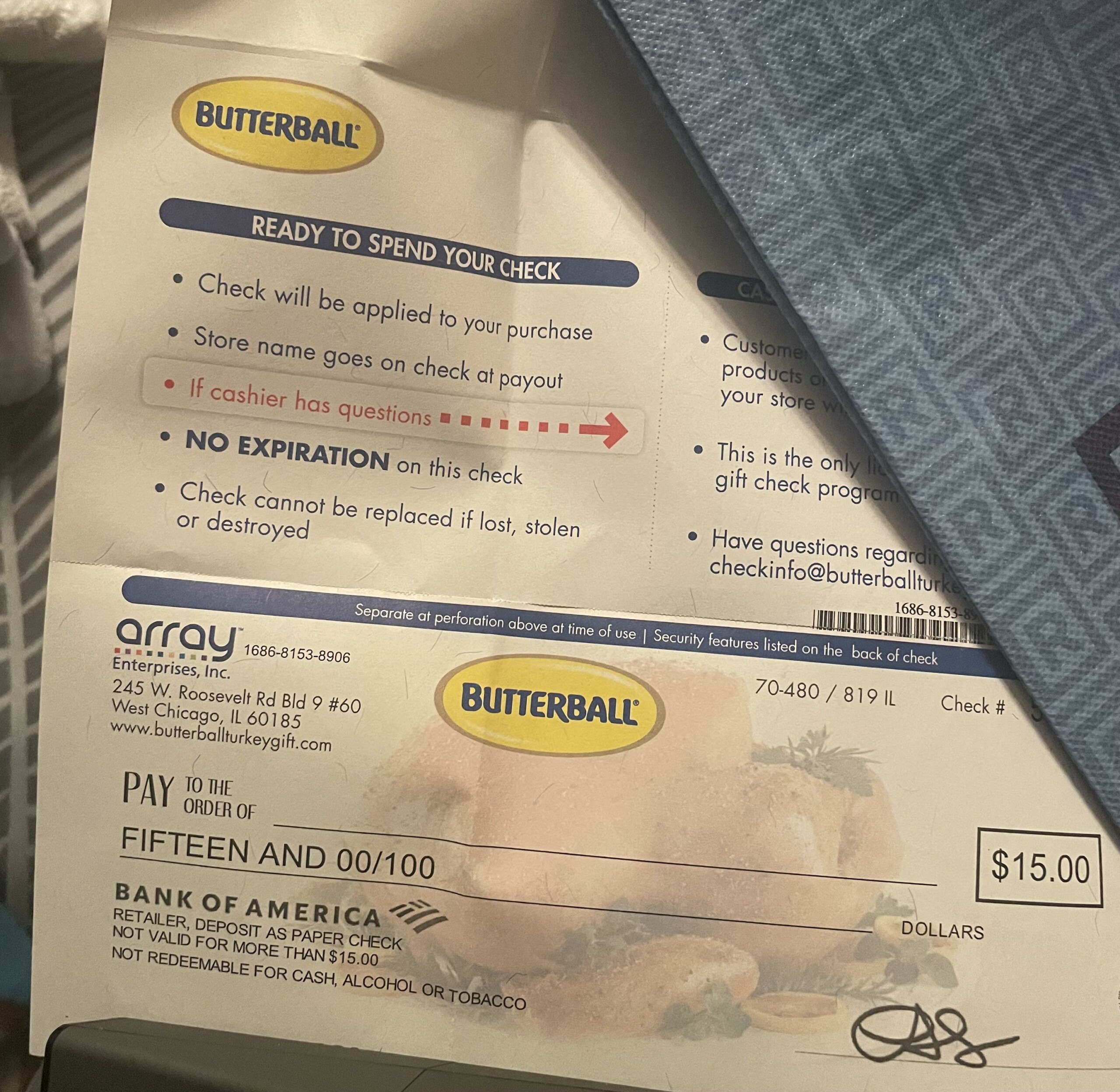
Employees Are Sharing The Most Insulting Holiday "Bonuses" Their Bosses - Source ruinmyweek.com
In this comprehensive guide, we will discuss everything you need to know about employee holiday bonuses, including how to distribute them, the benefits they can provide, and the tax implications that you need to be aware of. We will also provide some tips on how to maximize the benefits of your holiday bonus.
Understanding the connection between the various aspects of employee holiday bonuses is crucial for both employers and employees. By having a clear understanding of how bonuses are distributed, their potential benefits, and the tax implications involved, all parties can make informed decisions that optimize the value of these bonuses.
For employers, effectively distributing bonuses can foster employee loyalty, enhance motivation, and demonstrate appreciation for their contributions. For employees, grasping the benefits, such as financial support, recognition, and morale boost, can lead to increased job satisfaction and productivity.
Furthermore, staying informed about tax implications helps both parties navigate the complexities of bonus taxation, ensuring compliance and maximizing financial outcomes. By considering all these factors, organizations can establish fair and equitable bonus distribution systems that contribute to a positive and mutually beneficial work environment.
Conclusion
Employee holiday bonuses are a valuable tool that can be used to reward employees for their hard work and dedication. However, it is important to be aware of the tax implications of holiday bonuses before you distribute them. By understanding how holiday bonuses are taxed, you can ensure that your employees receive the maximum benefit from their bonuses.
In addition to the tax implications, there are a number of other factors that you should consider when distributing holiday bonuses. These factors include the company's budget, the employee's performance, and the company's overall compensation strategy.
By considering all of these factors, you can make informed decisions about how to distribute holiday bonuses that will benefit both your employees and your company.
